
Our Approach
Our view of Weaving
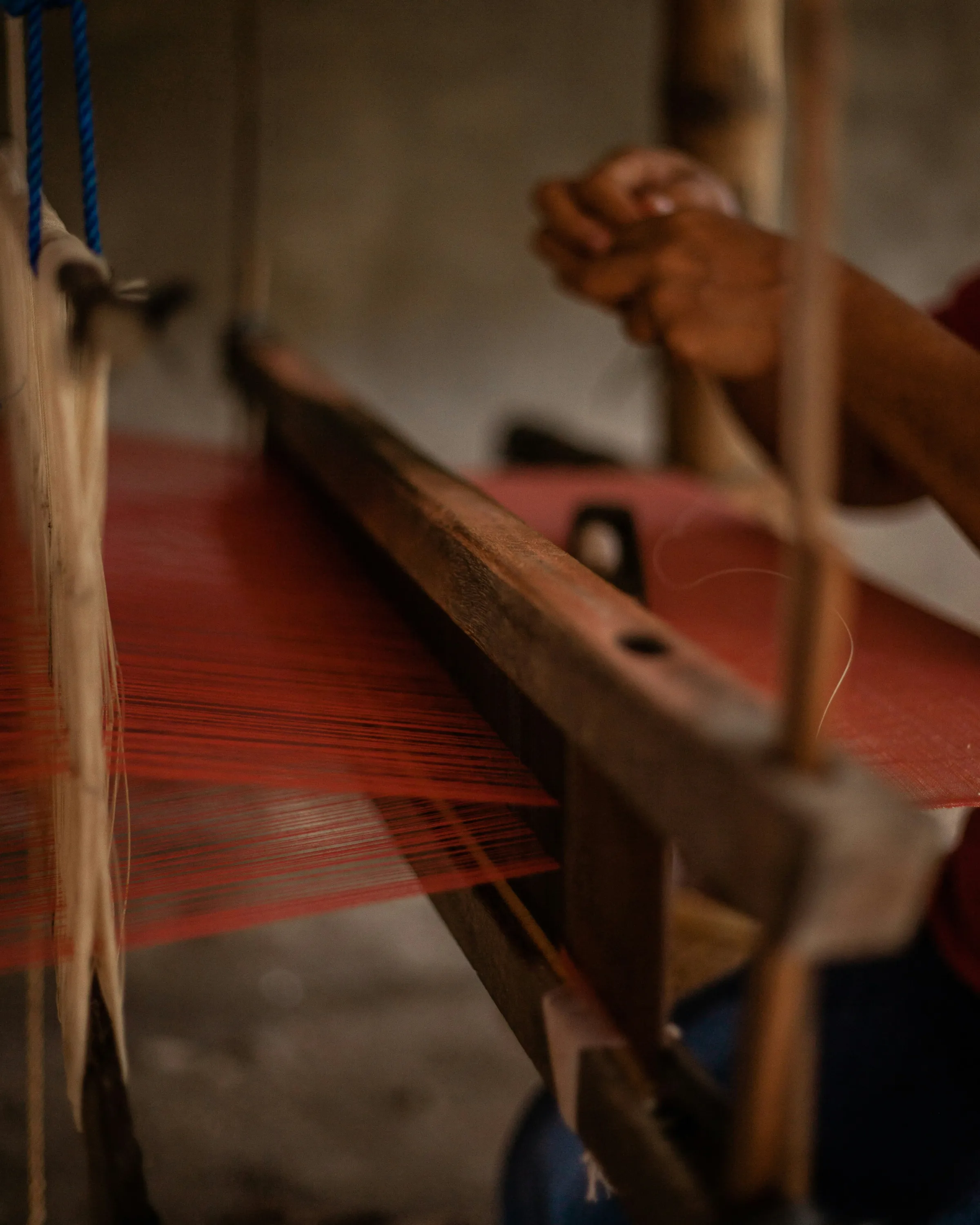
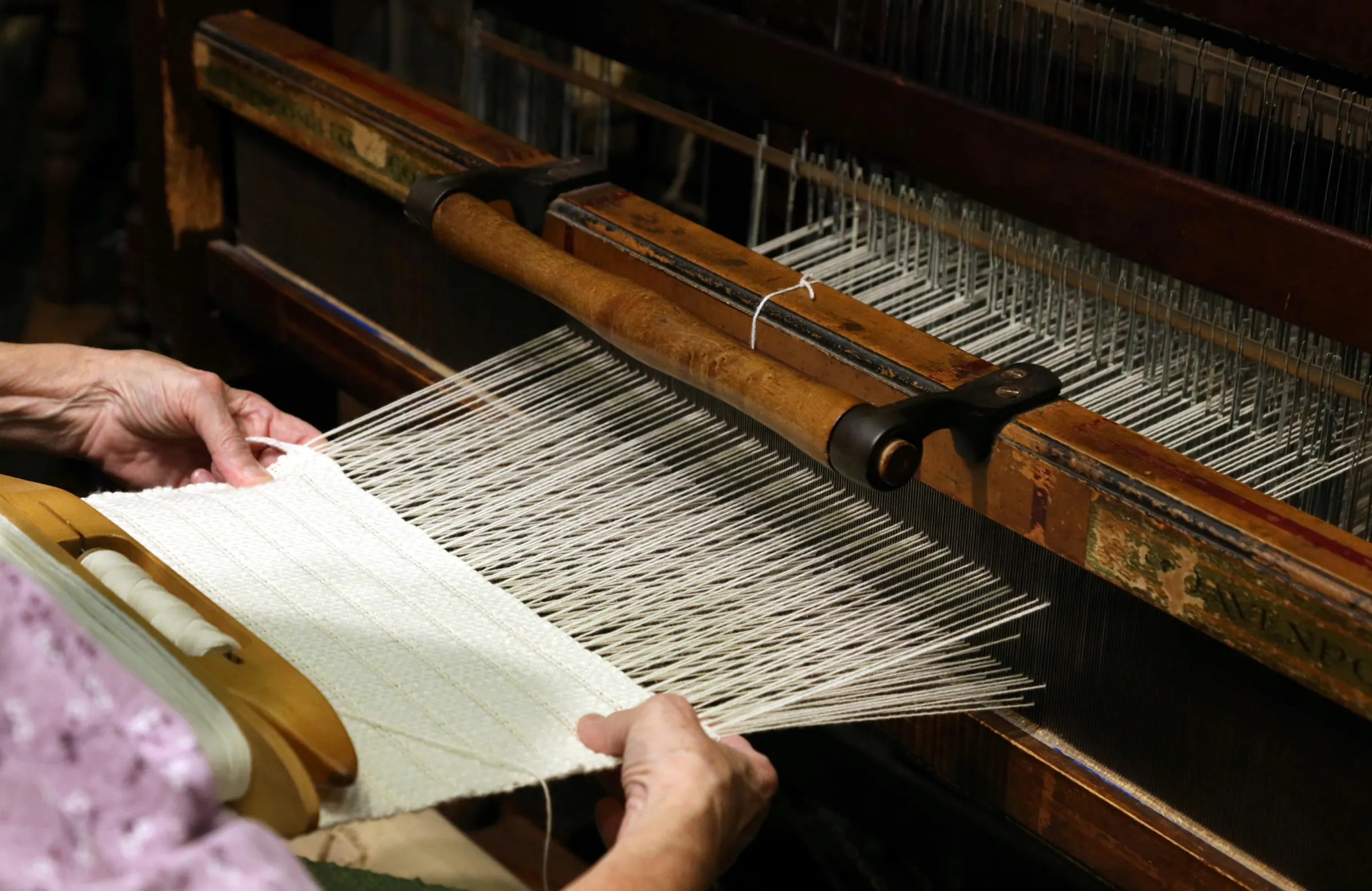
We see handweaving as a living practice that asks for time and attention. It draws people in slowly and rewards those who stay.
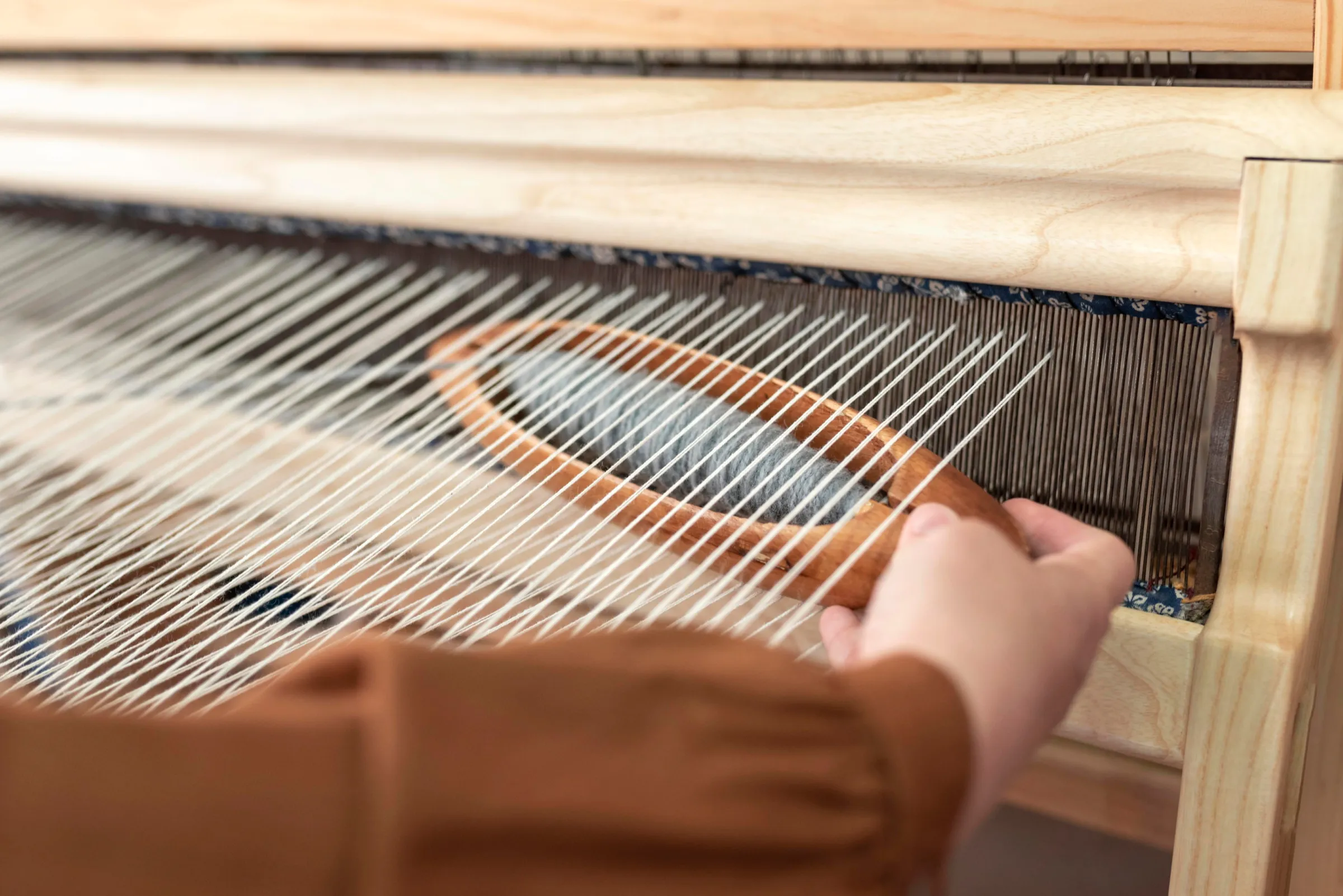
When someone begins to weave, their relationship with material changes. Yarn stops being just an input and cloth stops being the goal. What matters is what happens in between. Structure becomes visible. Choices begin to matter. The work starts to teach back.
This is why weaving continues to feel relevant. It is not locked into the past, and it is not disconnected from it either. Tradition, for us, is a source of knowledge, something to learn from and work through rather than something to preserve unchanged.
Looms enable production; Well-made looms inspire creation
The looms used for weaving shape the experience more than is often acknowledged. Poorly made looms can make the work unnecessarily difficult and discouraging. Good looms allow attention to stay on the weaving itself.
We work with modern looms and tools because they remove friction without removing depth. They make it easier to begin and more satisfying to continue. As the work becomes more complex, the tools do not get in the way.
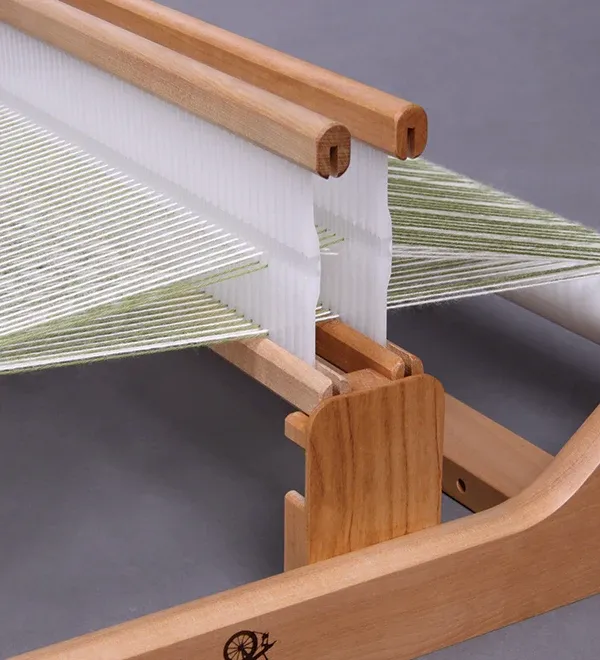
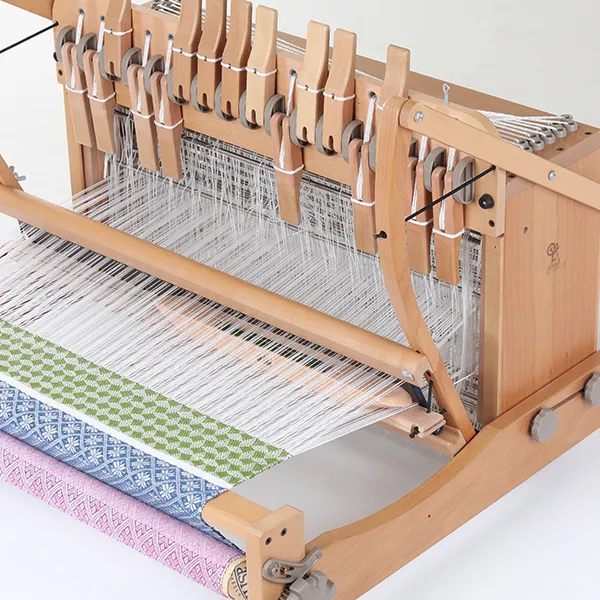
Different settings require different looms. A classroom, a design studio, and a community space each place their own demands on the practice. Choosing tools thoughtfully is therefore part of caring for how weaving is learned and sustained.
GROWING INTO DEPTH
The richness of weaving reveals itself gradually. People enter the practice for different reasons and at different points, but what keeps them engaged is the sense that there is always more to discover.
Some come to weaving for quiet focus, others for creative exploration, and others for practical or social reasons. What connects these paths is a shared respect for the practice and a willingness to engage with it seriously.