Weaving in Schools
In the Classroom
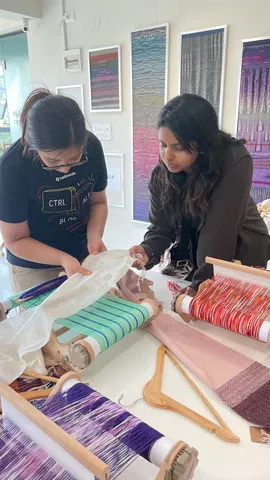
With appropriately designed looms, children can weave confidently within regular classroom environments.
WEAVING IN DIFFERENT LEARNING ENVIRONMENTS
Schools following different curricula and educational philosophies have integrated weaving in a variety of ways. The examples below illustrate some of the possibilities.
-
SCHOOL A : Cambridge Curriculum
Cross curricular integration
Weaving is integrated across subjects such as mathematics, science, and music and is also used as part of the school’s upcycling initiatives.

-
SCHOOL B : IB Curriculum
Visual Arts & Independent Enquiry
Weaving is introduced through the visual arts program as a medium for material exploration and making. Students begin with guided experiences and gradually develop the confidence to work more independently, reflecting the inquiry-driven learning approach
-
SCHOOL C : CBSE Curriculum
Art & Design Exploration
Weaving is used as a medium for expressive art, allowing children to explore material, colour and personal expression
-
SCHOOL D : Montessori Pedagogy
Enterprise & Entrepreneurship
Weaving is used to develop entrepreneurial skills, with children engaging in costing, pricing, marketing and selling their woven products.
Explore weaving for your school
Discuss your school's context, learning goals and possible implementation models.
FLAGSHIP LEARNING PROGRAMS
For schools that prefer a clear starting structure, we offer two flagship weaving programs developed specifically for school environments. Detailed program outlines are shared after an initial discussion to ensure they fit each school’s needs.
-
FOR GRADES 6 AND ABOVE
BrainWeaves
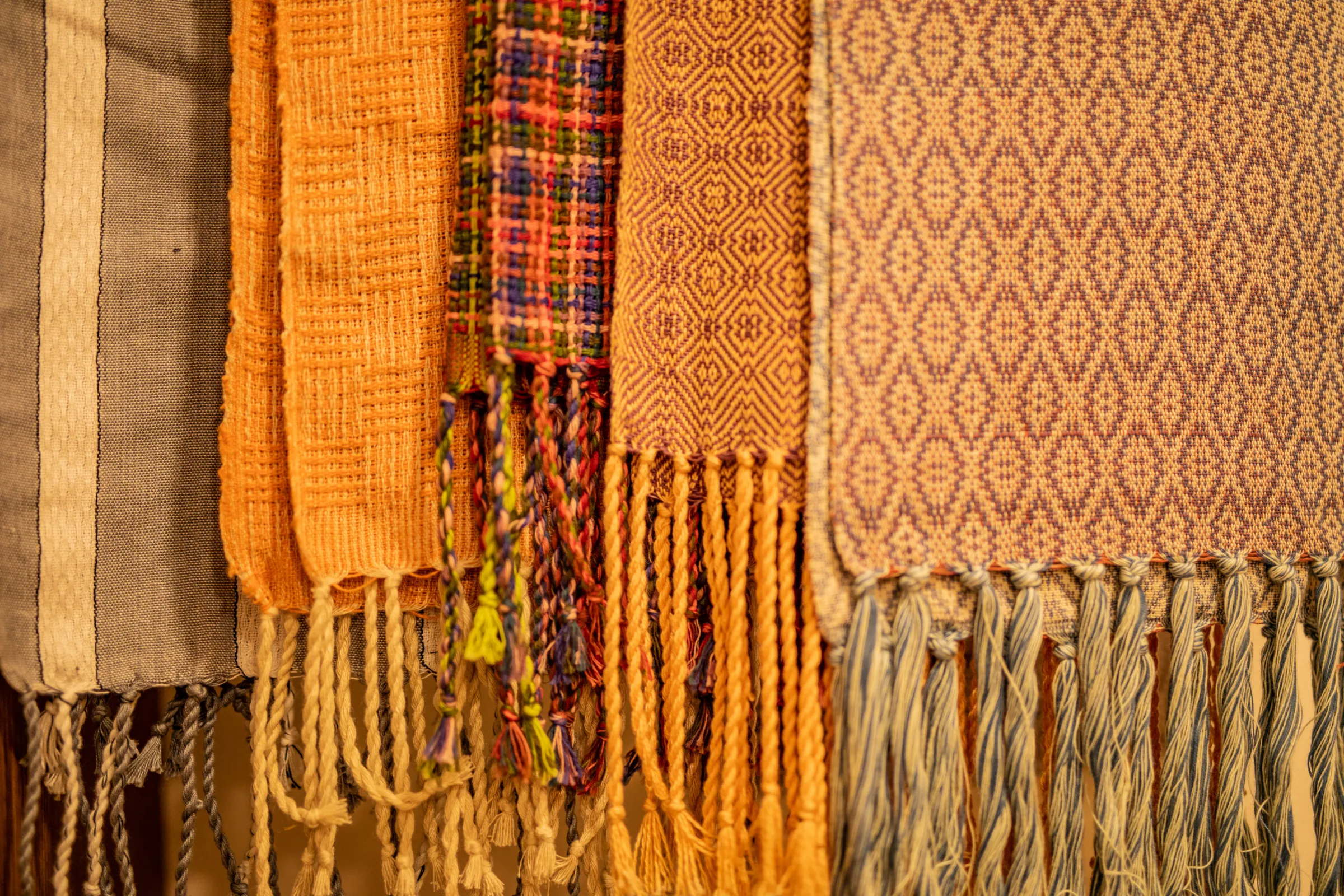
It introduces weaving as a way of thinking through structure, pattern, and process, and is well suited for integration with subjects such as mathematics, science and design.
-
FOR GRADES 3 TO 5
Little Weavers
It introduces younger children to weaving through rhythm, material exploration and making, within a clear and supportive framework.
Both programs are modular and typically run for 12 sessions. They can be expanded with additional modules over subsequent years, or adapted to suit a school’s learning priorities and context.
BRING WEAVING TO YOUR SCHOOL
-
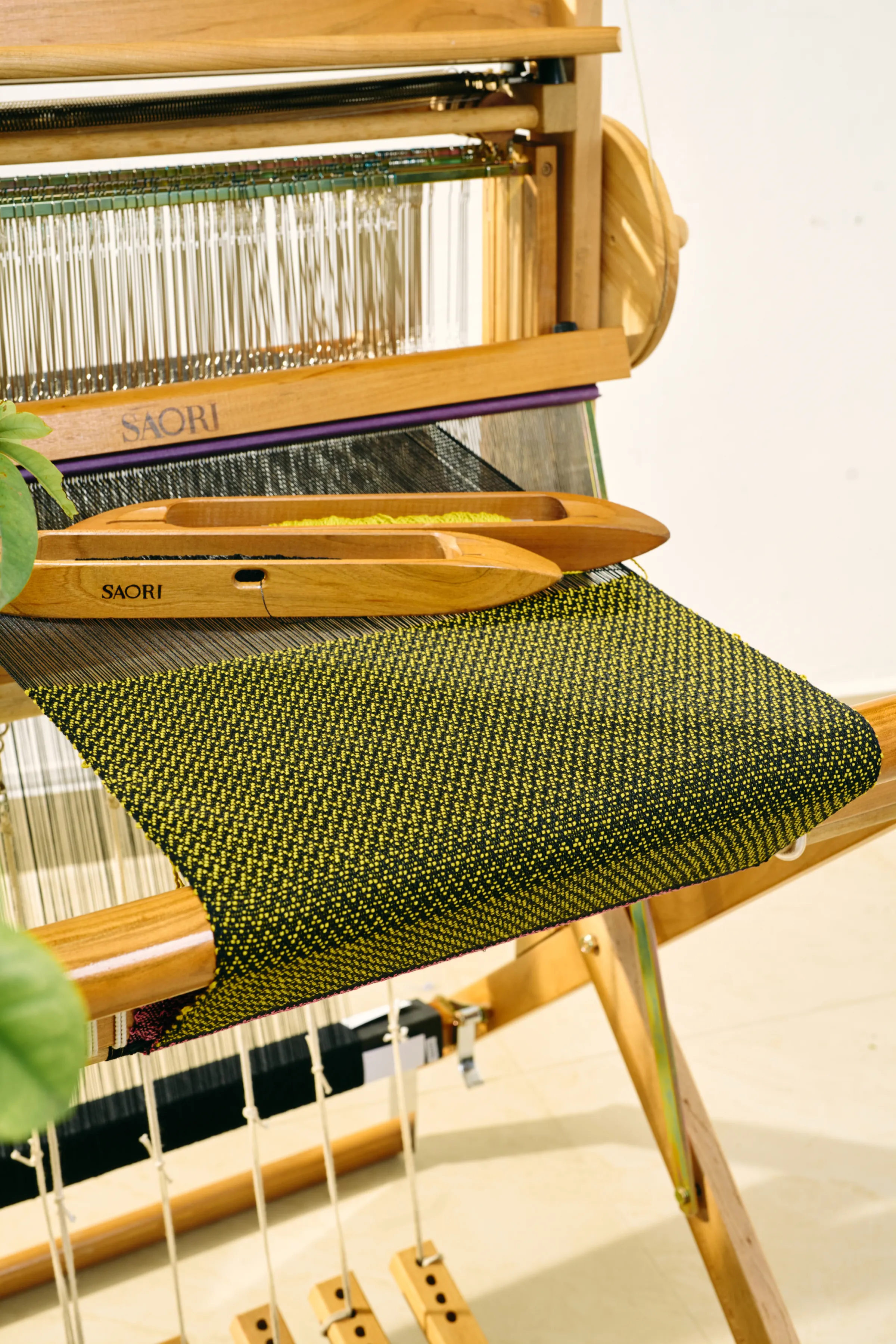 Arrange a Demonstration
See the Looms in Action
Join a live online demonstration or visit the studio to understand how weaving can work in a school environment.
-
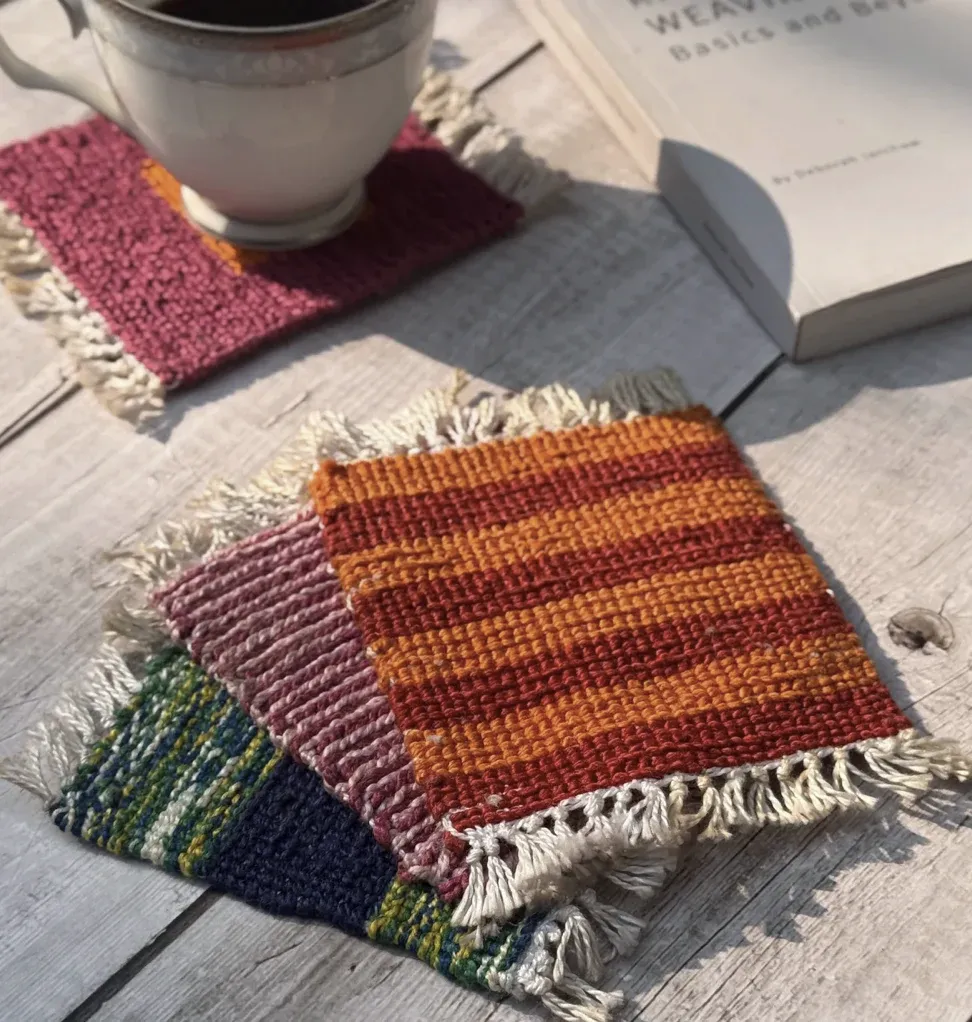 Plan a Weave Walk
Experience Weaving First-hand
Teachers and students can participate in a guided weave-walk at the studio to explore the process through direct experience.
-
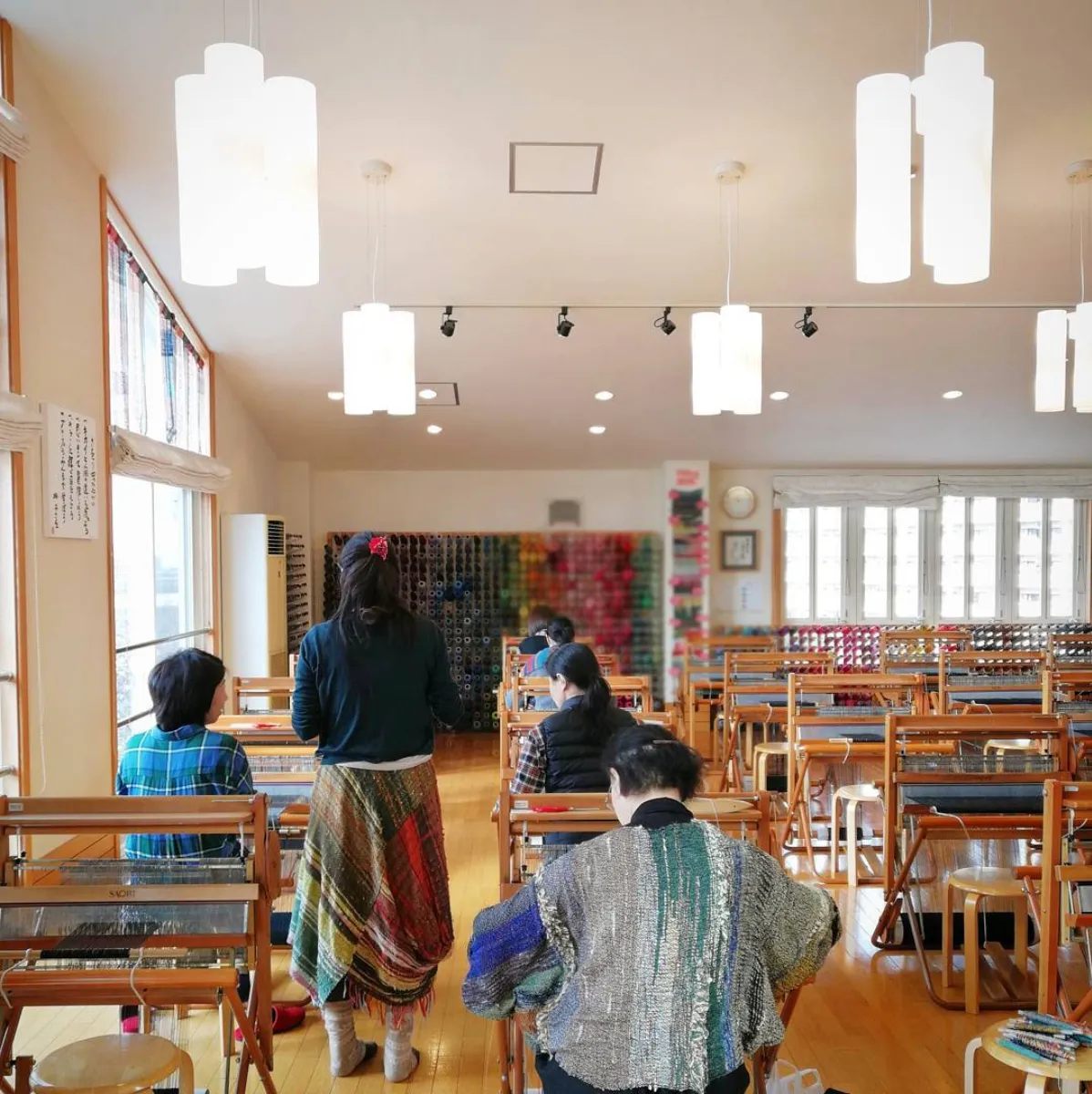 Schedule a Conversation
Explore Weaving for your School
Discuss your school's context, learning goals and possible implementation models.
-
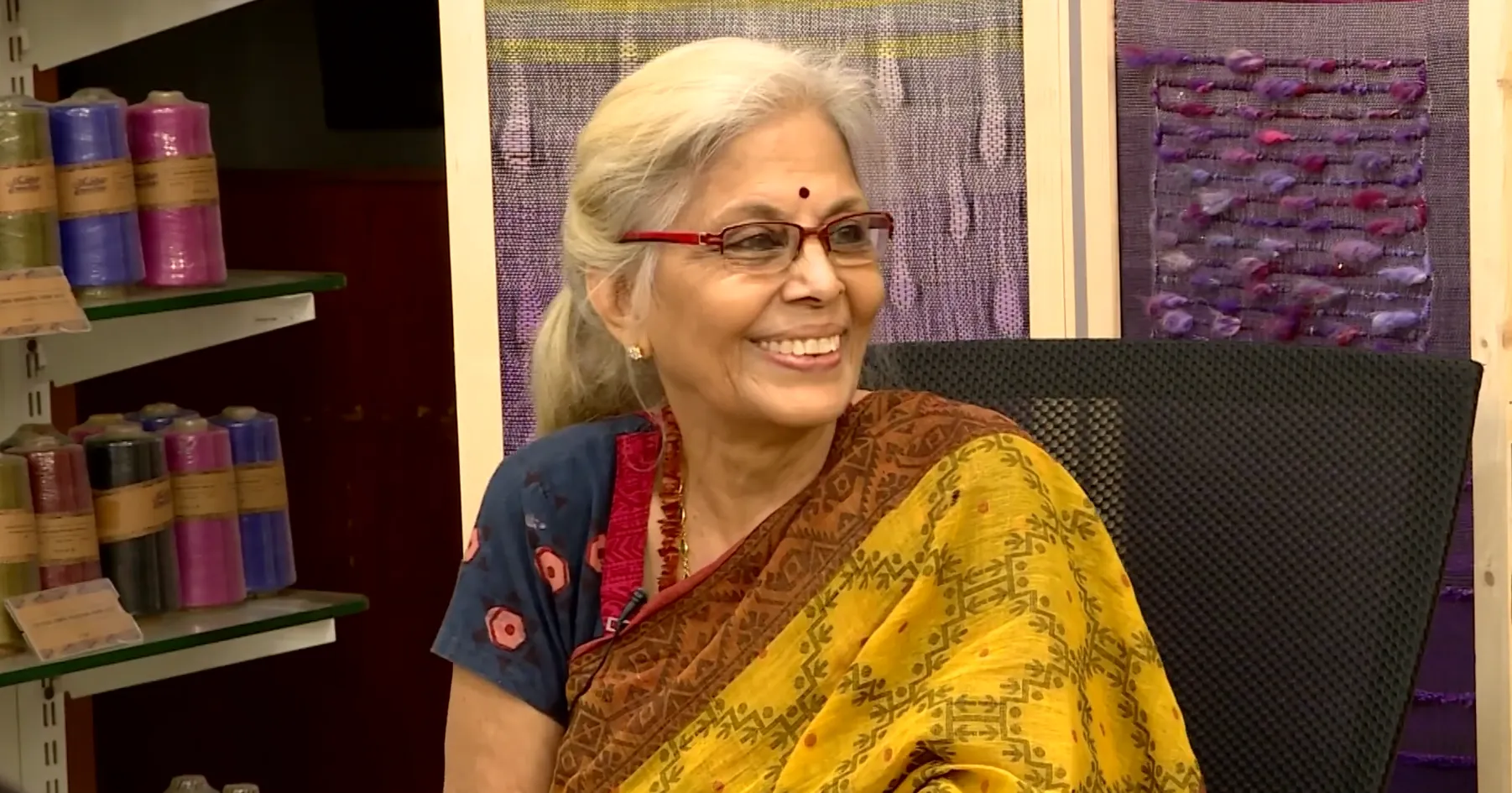
Senior educationist Mrs. Padma Srinath’s take on weaving in a Thread-talk speech. Listen to her whole speech in our Thread Talks section
-
See how the Brain weaves program works in Arsha Vidya Mandir school in Chennai
Frequently asked questions
At what age can children start weaving?
Weaving can be introduced from the early primary years, with the complexity of the activity increasing gradually. Looms and activities are selected based on age, motor skills, attention span, and classroom context, rather than a fixed age threshold.